AGP Executive Report
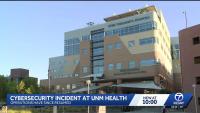
Last update: 7 hours agoCyber Defense: CISA’s new 2030 strategy calls for a more proactive defense of critical infrastructure, as Australia warns AI is helping attackers find and exploit weaknesses at unprecedented speed. A critical PHP flaw affecting software used by roughly 70% of websites has triggered millions of exploit attempts, while a separate Node.js bug could let attackers take control of servers. Healthcare Security: A cyber incident at the University of New Mexico Health disrupted services, forcing ambulance diversions and clinic closures; South Carolina, meanwhile, launched a free pilot to strengthen rural hospital defenses. Quantum Computing: Intel agreed to buy Israeli software firm Classiq for $2.2 billion, adding tools that let developers build programs for different types of quantum computers. AI at Work: OpenAI released GPT-6.1 Terra, a faster, cheaper model for computer-based tasks, while Microsoft is offering buyouts to about 60,000 employees as it shifts investment toward AI.
Note: AI summary from news headlines; neutral sources weighted more to help reduce bias in the result. Feedback is welcome. Please let us know if you have any comments or suggestions about the AGP Executive Report.
 Perspectify News